
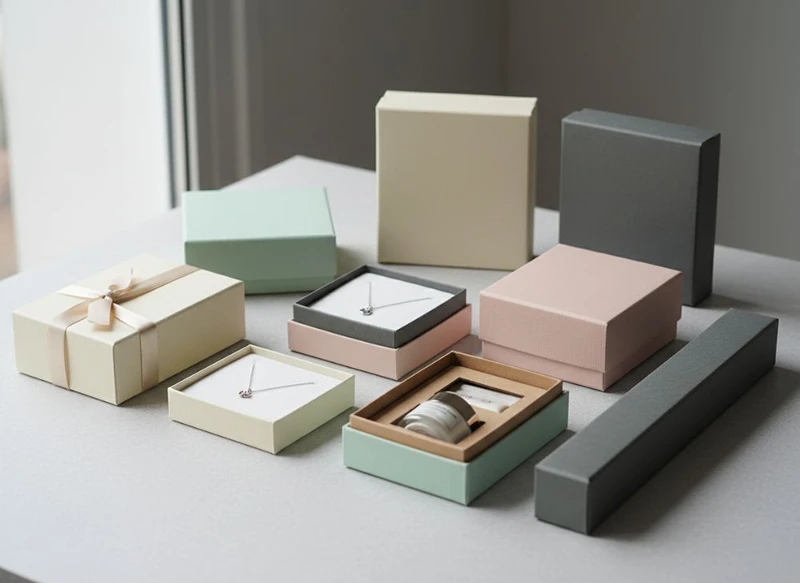
Choosing the right custom paper box for every product type starts with the product’s physical needs: size, weight, fragility, shape and how it will be handled. Then balance those requirements against the customer experience, storage efficiency, print finish and the conditions the box may face before it reaches the buyer.
A small cosmetics carton and a large subscription kit should not use the same board, closure or internal support. Specify the box around the product first, then refine the material, structure and artwork. This approach reduces avoidable movement, overpacking and presentation issues.
Before selecting a style, prepare a simple packaging brief:
- Product dimensions, including caps, handles, cords or irregular edges
- Product weight and whether weight is concentrated in one area
- Fragility, crush sensitivity and scratch risk
- Number of items per box and any inserts, leaflets or accessories
- Selling environment: shelf display, e-commerce dispatch, gifting or subscription
- Expected storage conditions, including humidity and temperature exposure
- Required opening experience, resealability and tamper evidence
- Print, finishes and brand elements that need to appear on the pack
A supplier can use this information to develop custom printed boxes that fit the product and its intended use rather than relying on a generic size.
Packaging for Small Items: Jewellery and Cosmetics
Small products often need more than a small box. Jewellery, skincare, makeup and accessories can be easily scratched, lost inside an oversized carton or damaged by repeated opening and closing.
For these products, prioritise a close fit and a structure that prevents movement. A compact folding carton, two-piece rigid-style box or small mailer may be suitable depending on whether the pack is primarily for retail display, gifting or postal fulfilment.
Key considerations for jewellery
Jewellery boxes need to manage both protection and presentation. The outer box creates the visual impression, while the insert holds the item in a consistent position.
Useful options include:
- Die-cut card inserts for earrings, pendants or small accessories
- Foam, moulded pulp, paperboard or fabric-covered inserts where appropriate
- Slots, tabs or cushions that stop chains and delicate pieces shifting
- Lift-off lids or drawer-style boxes for a considered unboxing experience
- Ribbon pulls only where they support the structure rather than interfere with storage
Avoid specifying a box from product measurements alone. Include the insert thickness, any protective pouch and space required for a care card. A piece that fits tightly without its pouch may not fit once all sale-ready components are included.
Key considerations for cosmetics
Cosmetic packaging needs to account for container shape and product weight. A glass jar, pump bottle and lipstick may have similar outer dimensions but require very different support.
For cosmetics, check:
- Whether the container can rattle or rotate within the box
- Whether a carton needs an internal platform, divider or locking base
- Whether the product has a cap, pump or applicator that adds height
- Whether printed panels must leave room for product information
- Whether the pack will be displayed upright and needs a stable base
A reverse tuck end carton can suit lightweight retail products, while a crash-lock or auto-lock base may be more appropriate for a heavier jar or bottle. Confirm that the closure remains secure after normal handling, especially if the product is packed by hand at scale.
Medium Product Boxes: Electronics and Apparel
Medium-sized products present a broader mix of protection, merchandising and packing efficiency requirements. Electronics need impact management and organised accessories. Apparel often benefits from a flexible format that maintains a neat presentation without adding unnecessary bulk.
Electronics: support the product and its accessories
Electronics packaging should protect the main item while preventing cables, chargers, manuals and smaller components from moving around. The product’s most vulnerable points may be corners, screens, controls or connectors, so the internal layout matters as much as the outer box.
Consider:
- A fitted insert or folded card cradle to hold the product centrally
- Separate compartments for accessories
- Dividers that prevent components rubbing together
- A rigid or corrugated outer format if the item is heavier or likely to be dispatched
- Clear opening instructions if incorrect unpacking could damage cables or accessories
Do not assume that a premium-looking carton alone provides adequate protection. If the unit will travel through a distribution network, assess the whole packaging system: product wrap, insert, inner carton, outer shipping carton and void fill where needed.
Apparel: balance presentation with packability
Apparel boxes are often selected for how they look when opened, but they must also suit the garment’s folded size, fabric type and return process. Oversized boxes can make garments look underfilled; undersized boxes can create creasing or distort the lid.
Common choices include folding cartons, mailer boxes, shallow two-piece boxes and sleeve-and-tray formats. The best option depends on the garment and fulfilment method.
For apparel, check:
- Folded dimensions for every size in the range, not just a sample size
- Whether tissue, a folded care card or a garment bag is included
- Whether dark or light fabrics could be affected by scuffing or transfer from inserts
- Whether customers are likely to reuse the box for returns or storage
- Whether the box can be packed efficiently without forcing the garment into place
If multiple garments are sold together, test the largest expected bundle. A box that fits one folded shirt may not work for a shirt, knitwear item and accessory packed as a set.
Large Box Solutions: Subscription and Kitting Boxes
Large paper box formats are often used for subscription packs, gift sets, product kits, launch packs and multi-item orders. Their main challenge is managing varied contents without allowing items to collide, settle at the bottom or create an untidy opening experience.
A corrugated mailer or shipper-style box is commonly useful for larger packs because it combines a strong outer structure with printable surfaces. For presentation-led kits, an outer transit carton may protect a more refined inner box.
Design around the heaviest and most fragile item
Start with the product that creates the greatest constraint. This may be the heaviest item, a glass component, a tall bottle or an item with a vulnerable edge. Place it where it is least likely to shift and use dividers, inserts or wrapping to isolate it from lighter products.
For multi-product packs, map the internal layout before finalising external dimensions. A flat lay or simple packing diagram can reveal wasted space, awkward gaps and products that will be difficult for packing teams to position consistently.
Plan for variation in subscription contents
Subscription and kitting programmes often change from one release to the next. A tightly fitted bespoke insert can look excellent but may become unsuitable when product dimensions vary.
To keep the box usable across changing assortments, consider:
- Adjustable dividers
- Modular paperboard inserts
- A standard outer box with interchangeable internal components
- More than one approved box size for distinct kit configurations
- Paper-based void fill for minor variations in contents
The goal is controlled flexibility. Too much empty space raises movement risk, while an overly rigid layout may force a complete packaging redesign whenever the assortment changes.
Corrugated vs. Cardboard: A Durability Comparison
“Cardboard” is often used as a catch-all term, but packaging buyers should be more precise when requesting quotes. Folding cartons are generally made from paperboard, while corrugated board uses one or more fluted layers between liner sheets. Both are paper-based materials, but they suit different jobs.
| Feature | Paperboard folding carton | Corrugated board box |
|---|---|---|
| Typical use | Retail cartons, cosmetics, food-adjacent packs, apparel and lighter products | E-commerce mailers, shipping boxes, larger kits and heavier products |
| Structure | Smooth, foldable sheet material | Fluted core between liner sheets |
| Print appearance | Often well suited to detailed graphics and premium finishes | Can be printed effectively, though surface and finish options vary |
| Protection | Suitable for light products with close-fitting inserts | Better suited to compression resistance and transit handling when correctly specified |
| Storage format | Often supplied flat for assembly | Can also be supplied flat, with volume depending on style |
| Best fit | Presentation-focused primary packaging | Protective outer packaging or all-in-one mailer formats |
Neither material is automatically better. A paperboard carton may be the right choice for a lightweight serum bottle placed inside a separate shipping box. Corrugated board may be the more practical choice for a mixed-item mailer sent directly to customers.
Durability depends on more than material category. Confirm the board grade, flute profile where relevant, box dimensions, load, stacking conditions, internal supports and handling journey. Moisture, poor fit and weak closures can undermine an otherwise suitable board choice.
A common mistake is using a decorative paperboard carton as the only protection for a product that will be repeatedly handled in transit. Another is using heavy corrugated material for a small retail item when a lighter, well-designed carton and suitable outer protection would be more efficient.
Seal and Closure Options for Security
The closure should match the way the product is sold, opened and transported. It needs to remain closed during handling without making the customer experience unnecessarily difficult.
Common closure options include:
- Tuck ends: Suitable for many lightweight folding cartons. They are straightforward to open but may not be ideal where stronger retention is needed.
- Auto-lock or crash-lock bases: Useful for products that need extra base support, such as heavier bottles or jars.
- Interlocking tabs: Can provide a glue-free closure for some mailer and carton styles.
- Adhesive strips: Helpful for e-commerce mailers and can create a clear opening point. Confirm adhesive performance for the intended storage conditions.
- Tamper-evident seals or labels: Can show whether a pack has been opened after packing. Select the format according to the product, sales channel and applicable requirements.
- Sleeves: Add a presentation layer and can help retain a tray or lid, but should not be the only security feature if the box may be handled roughly.
Security and accessibility need to work together. A closure that is difficult to open can frustrate customers or damage the carton during unboxing. Test the pack with the final product inside, not as an empty sample.
If a product has specific safety, tamper-evidence, labelling or packaging obligations in Australia, verify the relevant requirements for the category before production. General box design guidance is not a substitute for product-specific compliance review.
Temperature and Climate Considerations for Paper Boxes
Australian conditions can vary significantly between storage locations, retail environments and delivery routes. Heat, humidity, moisture and rapid temperature changes can affect paper-based packaging, adhesive performance, print finishes and the product inside.
Paper boxes are particularly vulnerable when exposed to prolonged dampness or direct contact with water. Humidity can soften board, reduce stiffness and cause boxes to warp. High heat can affect some adhesives, coatings and sensitive products, while condensation can occur when goods move between very different environments.
Practical ways to reduce climate-related risks
- Choose board and construction appropriate to the expected load and storage environment.
- Avoid leaving critical closure performance to a single small glue point where the box will carry weight.
- Use a protective outer shipping carton when a presentation box is not designed for transit exposure.
- Consider protective wrapping or barrier materials where product sensitivity requires them.
- Keep packed stock off floors and away from direct moisture sources during warehousing.
- Review how adhesive strips, labels, laminates and coatings perform with the actual board selection.
- Run product-packed samples through realistic storage and handling conditions before committing to a large run.
Do not treat a finish as a universal moisture solution. Coatings and laminates can change the feel and appearance of a box, but their suitability depends on the complete packaging design and exposure level. Confirm recyclability goals, print compatibility and end-of-life expectations before selecting a finish.
The Best Gift Packaging for Luxury Products
The best gift packaging for luxury products is not necessarily the heaviest or most elaborate option. It should feel intentional, protect the item, open neatly and communicate value through proportion, materials, print restraint and detail quality.
A well-designed rigid-style box, two-piece lid-and-base box, drawer box or folding carton with a sleeve can all support a premium presentation. The right format depends on product weight, shelf display needs and whether the box will be posted directly to the recipient.
Features that can support a premium experience
- A box proportioned closely to the product
- A precise insert that holds the item securely
- Clean alignment between lid, base, sleeve and printed artwork
- Tactile paper stock or carefully chosen surface finishes
- Embossing, debossing, foil or spot effects used selectively
- Branded tissue, message cards or product story inserts where useful
- A separate protective shipper for direct-to-consumer orders
Luxury packaging should still be practical. Excessive layers, hard-to-separate materials or oversized voids can weaken the experience and complicate disposal. Consider whether each element protects the product, improves the reveal or provides necessary information. If it does none of these, it may be unnecessary.
Also check that the box can be assembled and packed consistently. A complex multi-piece format may look impressive in a prototype but introduce errors if it is difficult to pack during busy periods.
Streamlining Your Supply Chain with Consistent Boxes
Consistent box specifications can simplify purchasing, inventory control, fulfilment and visual brand management. This does not mean every product should use one identical box; it means creating a sensible system of approved sizes, materials, print rules and inserts.
For example, a product range may use a small, medium and large box family with common colours, artwork placement and opening style. Each size can then be matched to a defined product group while keeping the overall range recognisable.
Build a practical packaging specification
For each box, document:
- Internal and external dimensions
- Product and insert configuration
- Material and board requirements
- Box style, closure and assembly method
- Print files, colour references and finish details
- Permitted tolerances where relevant
- Packing instructions and orientation
- Outer-carton or shipping requirements
- Revision number and approval date
This documentation helps prevent subtle changes between repeat orders, such as a slightly different box size that affects an insert, a closure adjustment that slows packing, or artwork that no longer aligns with the established range.
Reduce unnecessary stock complexity
A large number of near-identical box sizes can increase storage needs and raise the chance of packing the wrong product into the wrong carton. Look for opportunities to standardise without forcing a poor fit.
Ask these questions:
- Can two related products share an outer box with different inserts?
- Can a standard mailer protect several compatible retail cartons?
- Are there box sizes that differ only marginally but serve the same purpose?
- Does the pack work across seasonal bundles and gift-with-purchase additions?
- Can flat-packed formats reduce storage pressure without slowing assembly too much?
Consistency also supports better forecasting. When packaging specifications are clear, procurement teams can plan around established components rather than repeatedly rebuilding the brief for routine products.
A Final Selection Checklist
Before approving a custom paper box, confirm that it:
- Fits the final sale-ready product, including all accessories and inserts
- Supports the product’s weight without opening, bending or crushing under expected use
- Prevents damaging movement inside the pack
- Suits retail display, gifting, e-commerce dispatch or a combination of channels
- Uses a closure appropriate to the required security and opening experience
- Performs sensibly in expected heat, humidity and storage conditions
- Leaves sufficient room for required product information and branding
- Can be assembled, packed and stored efficiently
- Has been reviewed with a product-packed sample rather than an empty box only
- Aligns with applicable packaging, labelling and material requirements for the product category
Choosing the right custom paper box is ultimately a matter of matching the structure to the product journey. Start with fit and protection, add the right closure and internal support, then refine the print and finish to suit the brand. For a new range or a packaging refresh, prepare a clear specification and compare box samples with the actual product packed inside before final approval.
